Maximize Venue Impact with Smart Lighting Design
Lighting can transform a venue from ordinary to extraordinary. The right lighting design not only enhances the atmosphere but also influences how guests experience the space. Whether you manage a concert hall, wedding venue, restaurant, or event space, smart lighting can elevate your venue’s appeal and functionality.
In this post, I will guide you through practical ways to use lighting design to maximize your venue’s impact. You will learn how to create mood, highlight architectural features, improve guest comfort, and save energy—all through thoughtful lighting choices.
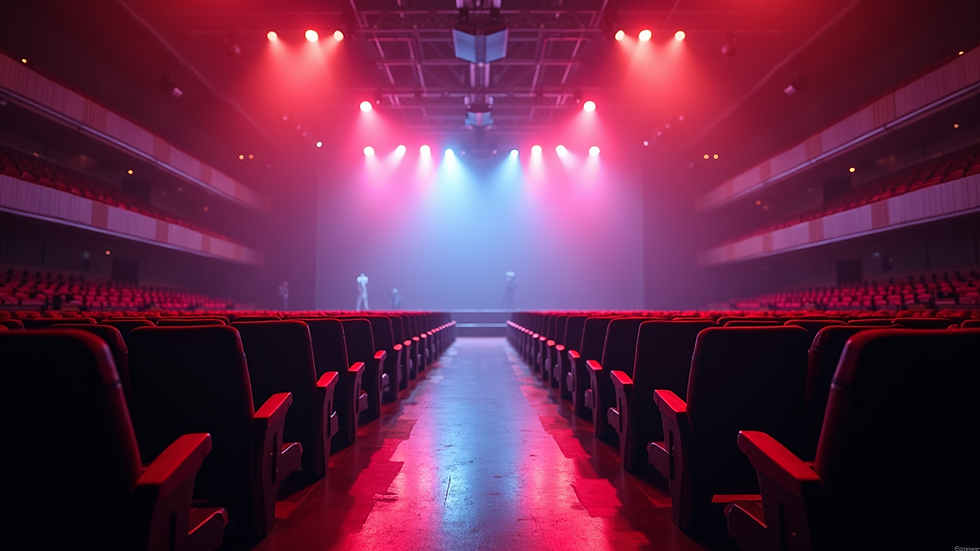
Smart lighting design illuminating a modern event venue with layered effects
Understand the Role of Lighting in Venue Experience
Lighting sets the tone for any event. It affects how people feel, interact, and remember their time in your venue. Poor lighting can make a space feel dull or uncomfortable, while well-planned lighting can create excitement, intimacy, or elegance.
Consider these key effects lighting has on a venue:
Mood creation: Warm tones create coziness, cool tones add energy.
Focus and attention: Spotlights draw eyes to performers or speakers.
Space perception: Bright lighting can make a room feel larger; dim lighting adds intimacy.
Safety and navigation: Well-lit pathways prevent accidents and guide guests.
Knowing these effects helps you plan lighting that supports your venue’s purpose and events.
Layer Lighting for Flexibility and Depth
One of the most effective lighting strategies is layering. This means combining different types of lighting to create a balanced and adaptable environment. The three main layers are:
Ambient lighting: General illumination that lights the entire space evenly.
Task lighting: Focused light for specific activities, like reading menus or working the bar.
Accent lighting: Highlights architectural features, artwork, or décor.
For example, in a banquet hall, ambient lighting provides overall brightness, task lighting helps servers see clearly, and accent lighting draws attention to floral arrangements or stage areas.
Layered lighting allows you to adjust the atmosphere easily. You can brighten the room for a conference or dim the lights for a romantic dinner without changing fixtures.
Use Color Temperature to Influence Atmosphere
Color temperature, measured in Kelvins (K), describes the warmth or coolness of light. It plays a crucial role in how guests perceive your venue.
Warm light (2700K–3000K): Creates a cozy, inviting atmosphere. Ideal for lounges, restaurants, and weddings.
Neutral light (3500K–4100K): Balanced and natural, suitable for multipurpose spaces.
Cool light (5000K+): Bright and energizing, good for workspaces or areas needing high visibility.
Mixing color temperatures can add visual interest. For instance, warm accent lights on walls combined with neutral ambient lighting can make a space feel both welcoming and professional.
Highlight Architectural Features and Décor
Smart lighting can emphasize your venue’s unique design elements. Use accent lights to draw attention to:
Columns or arches
Textured walls or murals
Sculptures or installations
Ceiling details
This not only beautifies the space but also creates memorable focal points. For example, uplighting on stone walls adds depth and drama, while downlighting on a chandelier enhances elegance.
Consider using adjustable fixtures so you can change highlights depending on the event theme.
Incorporate Smart Controls for Efficiency and Customization
Modern lighting systems offer smart controls that let you adjust brightness, color, and timing remotely or automatically. This technology brings several benefits:
Energy savings: Dim or turn off lights when rooms are empty.
Scene setting: Save presets for different event types.
Ease of use: Control multiple fixtures from a single device.
Integration: Sync lighting with sound or video systems for immersive experiences.
For example, a wedding venue can have preset scenes for ceremony, dinner, and dancing, each with tailored lighting moods activated at the touch of a button.
Choose Energy-Efficient Fixtures
LED lighting has become the standard for venues because it uses less energy, lasts longer, and produces less heat than traditional bulbs. This reduces operating costs and improves comfort.
Look for fixtures with:
High lumens per watt (brightness per energy unit)
Dimmable features
Good color rendering index (CRI) for natural colors
Compatibility with smart controls
Replacing old fixtures with LEDs can cut energy use by up to 75%, a significant saving for large venues.
Plan Lighting for Different Event Types
Your venue may host a variety of events, each with unique lighting needs. Plan your lighting design to be adaptable:
Concerts: Dynamic stage lighting with color changes and movement.
Conferences: Bright, even lighting for note-taking and presentations.
Weddings: Soft, warm lighting with romantic accents.
Exhibitions: Focused lighting on displays and artwork.
Using programmable fixtures and layered lighting makes it easier to switch between setups quickly.
Consider Guest Comfort and Safety
Lighting affects how comfortable guests feel. Avoid harsh glare or flickering lights that cause eye strain. Use diffusers or indirect lighting to soften brightness.
Ensure all pathways, stairs, and exits are well-lit to prevent accidents. Emergency lighting should be clear and reliable.
Also, consider accessibility: lighting should support guests with visual impairments by providing consistent illumination and avoiding confusing shadows.
Work with Lighting Professionals
Designing smart lighting can be complex. Collaborate with lighting designers or engineers who understand your venue’s architecture and event needs. They can recommend the best fixtures, placement, and control systems.
A professional can also help you comply with local safety codes and energy regulations.
Case Study: Transforming a Historic Theater
A historic theater upgraded its lighting to improve audience experience and reduce costs. They installed LED fixtures with adjustable color temperature and smart controls.
The new system allowed:
Warm lighting during plays for intimacy
Bright, cool lighting for rehearsals
Accent lights highlighting ornate ceiling details
Energy use dropped by 60%, and audience feedback praised the improved atmosphere.
Smart lighting design is a powerful tool to maximize your venue’s impact. By layering light, using color temperature thoughtfully, highlighting features, and incorporating smart controls, you create a space that adapts to every event and delights every guest.
Start by assessing your current lighting and identifying areas for improvement. Consult with experts and invest in energy-efficient fixtures. Your venue will not only look better but also operate more efficiently.
Lighting shapes experience. Use it wisely to make your venue unforgettable.


Comments